
Stress can show on the skin, although it does not look the same for everyone. Some people notice more oiliness, while others experience dryness, tightness, itching or increased redness. Sleep, diet, shaving, physical activity and the skin's previous condition also matter.
During a demanding period, skin usually benefits most from calm, consistent care. Trying to fix everything quickly with several strong products can increase discomfort.
How can stress affect the skin?
The skin and nervous system are in constant communication. Research suggests that psychological stress can affect epidermal barrier function, inflammatory processes and recovery. The American Academy of Dermatology also notes that stress can worsen itching, acne and symptoms of certain skin conditions.
This does not mean that stress is the only cause of skin changes. It usually acts alongside other factors, such as lack of sleep, dry air, shaving, sweat, touching the face or inconsistent skincare.
What can stressed skin look like?
Common signs include:
- more sebum and new blemishes,
- dryness or tightness,
- redness and increased reactivity,
- itching or stinging,
- skin taking longer to settle after shaving,
- a flare-up of existing dermatological problems.
These symptoms are not enough to identify the cause on your own. If they persist, return or worsen quickly, consult a dermatologist.
A common mistake: responding too aggressively
When blemishes or shine appear, it can be tempting to reach for a strong drying product, exfoliate frequently or introduce several new active ingredients at once. If the skin is already red or stinging, this can further reduce its comfort.
During a demanding period, limit the number of changes and return to a simple routine. Gentle cleansing and regular moisturizing make it easier to observe the skin without adding more variables.
A simple routine for stressful periods
Step 1. Gentle cleansing
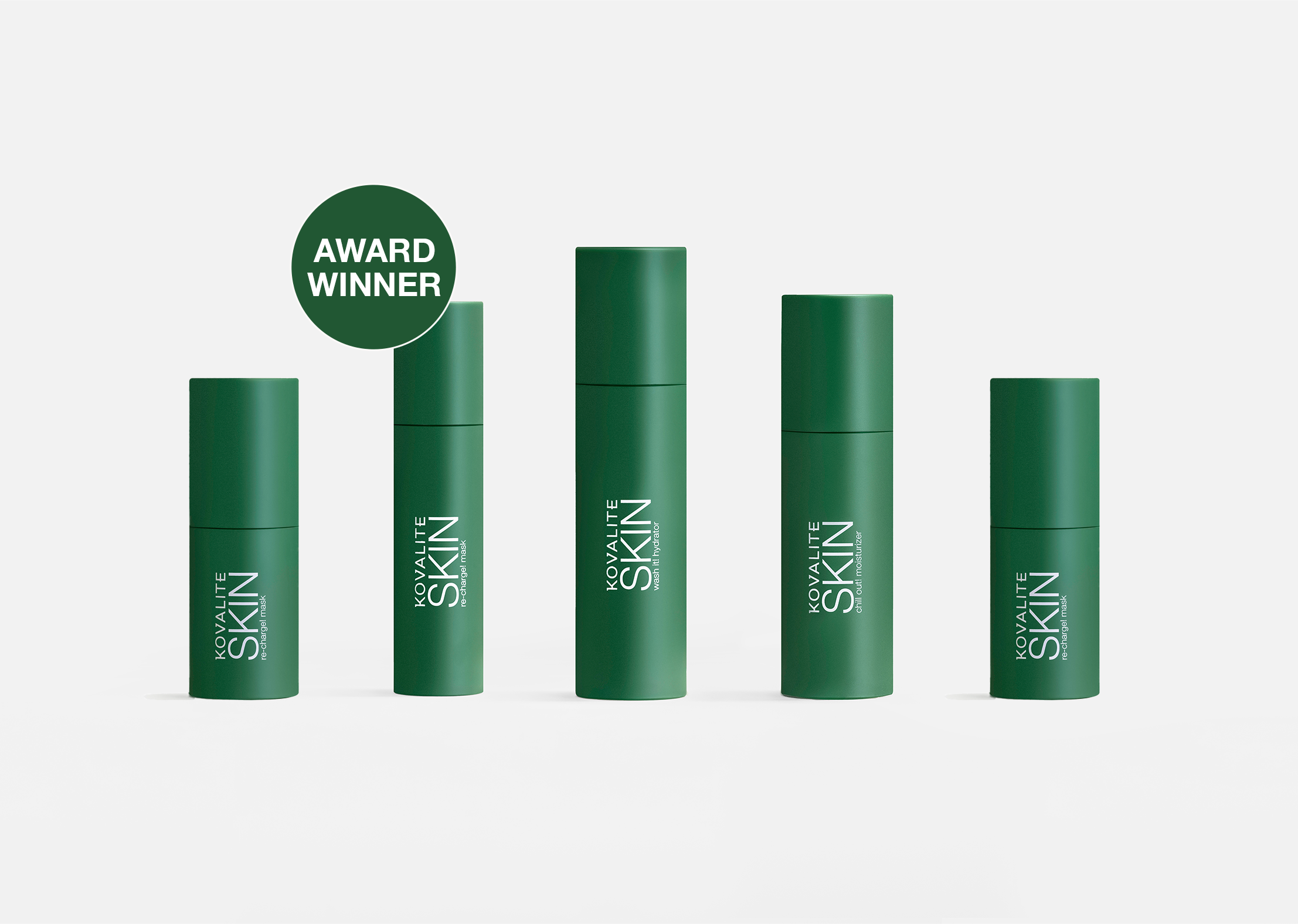
Wash your face with lukewarm water and avoid vigorous rubbing. wash it! hydrator creates a gentle lather and can also be used on short facial hair. Betaine, panthenol and glycerin support hydration and comfort during cleansing.
More frequent washing does not always bring better results. Adjust it to your activity, sebum levels and how the skin responds in the morning and evening.
Step 2. Regular moisturizing
After cleansing, apply moisturizer to the face and neck. chill out! moisturizer combines Primadulcine™, Aquaxyl™, squalane and panthenol to support hydration, resilience, the protective barrier and skin comfort. It can be used morning, evening and after shaving.
Step 3. Daytime protection
UV radiation affects the skin regardless of stress levels. Before going outside, apply a suitable SPF product as a separate step in your routine.
Step 4. Extra recovery care when needed
If the skin feels dry or looks tired, use re-charge! mask a few times a week. This cream mask stays on the skin and does not need to be rinsed off. Squalane, panthenol, an oil-soluble vitamin C derivative and plant extracts support hydration, smoothness and recovery.
Stress, shaving and irritation
Shaving adds friction and contact with a blade. When the skin is more reactive, a clean razor, controlled movements and avoiding repeated passes over the same area become especially important. After shaving, gently pat the face dry and apply moisturizer.
For the full routine, see our guide to caring for skin after shaving.
Skincare supports the skin but does not remove the source of stress
Cosmetics can support the condition and comfort of the skin. They do not replace sleep, rest, dermatological treatment or help with long-term stress. Skincare is best treated as a simple, repeatable point in the day that remains manageable even when time is limited.
If you want to reduce the number of steps, start with cleansing and moisturizing. Our simple skincare routine for men explains the broader approach.
When should you seek medical advice?
Contact a dermatologist if the changes are painful, intensely itchy, weeping, spreading quickly or do not improve with gentle care. Recurring symptoms of acne, eczema, psoriasis, hives or another diagnosed skin condition also need professional assessment.
Sources and further reading
- How stress affects the skin: a Zatoka Piękna interview with a dermatologist and psychotherapist from the Kovalite series
- The impact of stress on epidermal barrier function, a review
- American Academy of Dermatology: 6 skin and hair conditions linked to stress
Explore more simple skincare steps and ways to reduce everyday stimulation in the Stress Relief Club.
If skincare stings, review possible causes of the reaction after cleansing or moisturizing. Not every uncomfortable skin sensation is caused by stress.